HomeAboutServicesProjectsBlogContact
TRENRUFR
Contact us
Project management and consultancy

Design and site coordination

We manage the interfaces between architectural, structural, mechanical and electrical designs and between crews, subcontractors and suppliers on site, under one coordination.

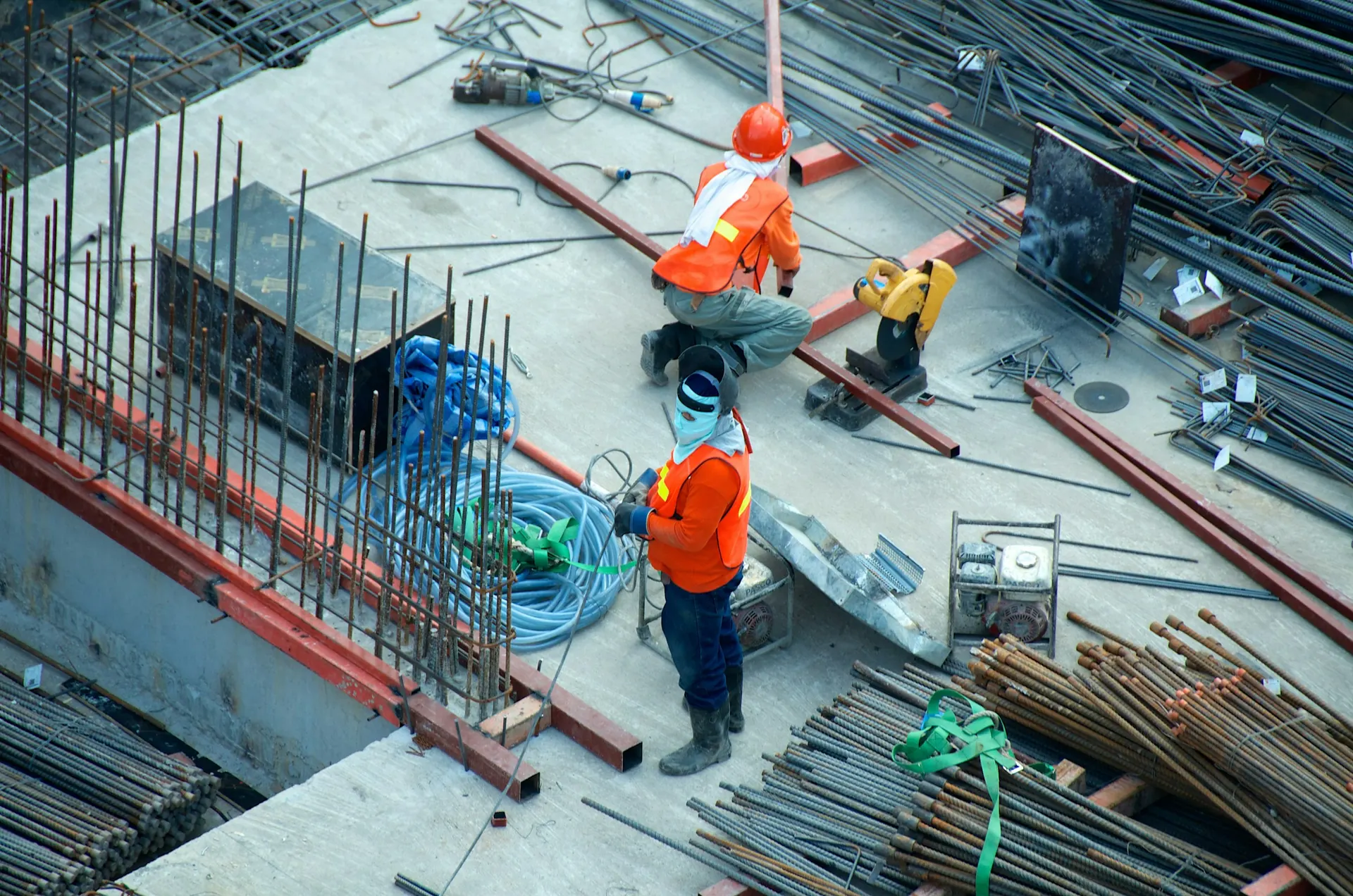
A site crew working among rebar and materialsIllustrative image

What is this service?

Many disciplines share the same space in a building: the structure, architectural details, mechanical and electrical services, bespoke items. Design coordination makes sure the drawings of these disciplines do not contradict each other; site coordination makes sure crews, materials and equipment are on site in the right order at the right time.

A lack of coordination shows up as rework, waiting and extra cost on site. DEMAFT’s ‘one contractor’ principle is exactly about bringing this work into one place.

Design and site coordination

Which problems does it solve?

  • 01

    Services clashing with the structure or architectural details.

  • 02

    One crew unable to start before another finishes; waiting on site.

  • 03

    Materials arriving on site too early or too late.

  • 04

    Work at interfaces (e.g. services under a finish) left without an owner.

  • 05

    Changes not reaching all crews at the same time.

How is it carried out?

Coordination starts by reviewing the discipline designs together; clashes and missing details are found and resolved before execution. The work programme is then set up to define the order in which crews and materials enter the site.

On site, interfaces are checked with the trades involved at every stage: the services before a finish closes over them, the dimensions on site before a piece of furniture is made. Changes are communicated in writing to every party.

Which phases does it cover?

  1. 01

    Reviewing discipline designs

    Reading architectural, structural, mechanical and electrical drawings together.

  2. 02

    Resolving clashes and details

    Removing contradictions and missing details before execution.

  3. 03

    Sequencing and programme

    The order in which crews and materials enter the site.

  4. 04

    Interface checks

    Checking before closing up: services, dimensions, connections.

  5. 05

    Change management

    Communicating changes in writing to every party.

What you gain

  • Clashes are resolved in the drawings, not on site.
  • Crews do not wait on each other and rework drops.
  • Work at interfaces always has someone responsible.
  • Changes are recorded and the same for everyone.
DEMAFT

How DEMAFT runs it

At DEMAFT every trade from structure to turnkey runs under one contract and one coordination. During execution we run structure and finishing works under one coordination and report progress regularly.

Our coordination discipline has been tested on projects dense with finishing trades and technical systems: in the Bishkek mansion timber panelling, natural stone, bespoke furniture and lighting shared the same spaces; in the shooting ranges, ballistic cladding, ventilation and target systems did.

Get to know the company

Frequently asked questions

Do you coordinate a project run by another firm?

Yes. Within our project management and consultancy service we can coordinate the work of different contractors on the owner’s behalf.

When should coordination start?

Ideally before the discipline designs are complete; resolving clashes in the drawings is far cheaper than resolving them on site.