A construction project needs designers, contractors, suppliers and authorities to work towards the same goal on the same timeline. Construction project management means managing that work from start to finish on the owner’s behalf, so that it is completed to the planned time, budget and quality.
The project manager does not have to build the building; their job is to make sure the right decisions are made at the right time. In this article we explain what project management covers, its phases, and the projects where it really makes a difference.
What does project management cover?
Widely recognised project management approaches come together under a few headings. On construction projects they look like this:
- Scope: defining in writing what will be built, to what specification and within which limits.
- Cost: building the budget from item-by-item quantities and unit rates, and comparing it with actual cost throughout the work.
- Time: a work programme showing the sequence, duration and dependencies of the work items.
- Quality: approving materials and details, stage inspections, a pre-handover checklist.
- Risk: spotting uncertainties that could affect budget or time in advance, with a plan for each.
- Stakeholders and communication: the flow of information between owner, designers, contractors and suppliers; managing changes in writing.
- Reporting: the owner seeing the real state of the work regularly and in writing.
None of these is enough on its own. Cost control loses its meaning if the scope is unclear; a programme that is not linked to the supply plan stays on paper.
The phases of project management
1. Survey and needs analysis
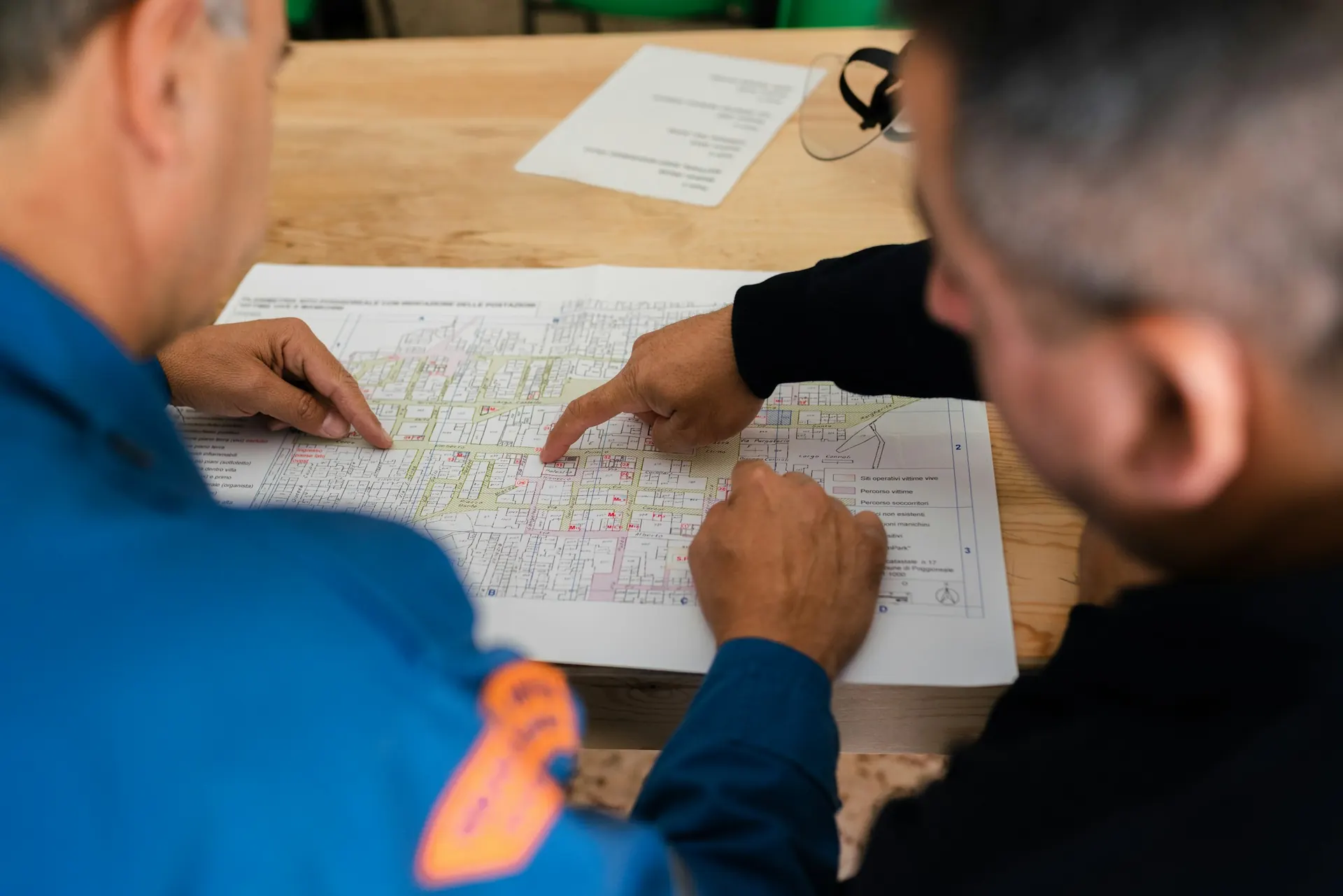
Everything starts with understanding the owner’s goal: what is to be built, what is the budget, when must the building be in use? The existing design and site are reviewed. Decisions made at this stage have the greatest influence on total cost and duration, and this is also when changes are cheapest.
2. Cost and quantities
As the design develops, the quantities of the work items are taken off and an estimate is built with unit rates. This item list later becomes the basis for comparing bids and checking payments. For details, see our cost management and BOQ page.
3. Programme and contract structure
The sequence and duration of the work are planned, and the critical path, the work whose delay would delay the whole project, is identified. At the same stage it is decided whether the work goes to a single turnkey contractor or is split into packages.
4. Execution and site coordination
Once work starts, project management compares site progress with the programme and budget, manages the interfaces between crews and materials, and records changes.
5. Reporting and handover
The owner receives regular progress reports: what is complete, what is late, which issues need a decision. At handover the works are inspected, snags are cleared and the building is made ready for use.
Who benefits from project management?
Every project needs project management, but buying it as a separate service is especially valuable when:
- the owner is not a construction specialist or has no time to follow the work closely,
- the investor lives in another city or country,
- several contractors work on the same site,
- budget and time have firm limits.
Common project management mistakes
- Starting late: bringing in project management only when problems appear, although the biggest influence lies in the survey and design stage.
- Not defining the scope in writing: verbal agreements are the most common source of disputes over variations.
- Reporting no more than ‘work is ongoing’: a good report shows the deviation, its cause and the options.
- Not recording changes: the cost and time effect of every change should be in writing.
DEMAFT’s approach
DEMAFT has worked as a contractor on housing, villa, stadium, public building and shooting range projects in Türkiye, Kyrgyzstan, Algeria, Cameroon and the United States. In our construction project management service we put that site experience on the owner’s side: survey and needs analysis, cost and quantities, work programme, site coordination and reporting on the owner’s behalf.
Our approach rests on transparency: item-by-item quantities and costs, a written process and regular progress reports. Write to us if you would like to discuss your project.