One of the first questions an owner asks when deciding to build is: should I give the work to a general contractor, or work with a project manager? The two roles are often confused, yet they stand on different sides and carry different responsibilities.
The short answer
- The general contractor builds the building. They are responsible for doing the work defined in the contract, for the agreed price and time, and they manage their own subcontractors and suppliers.
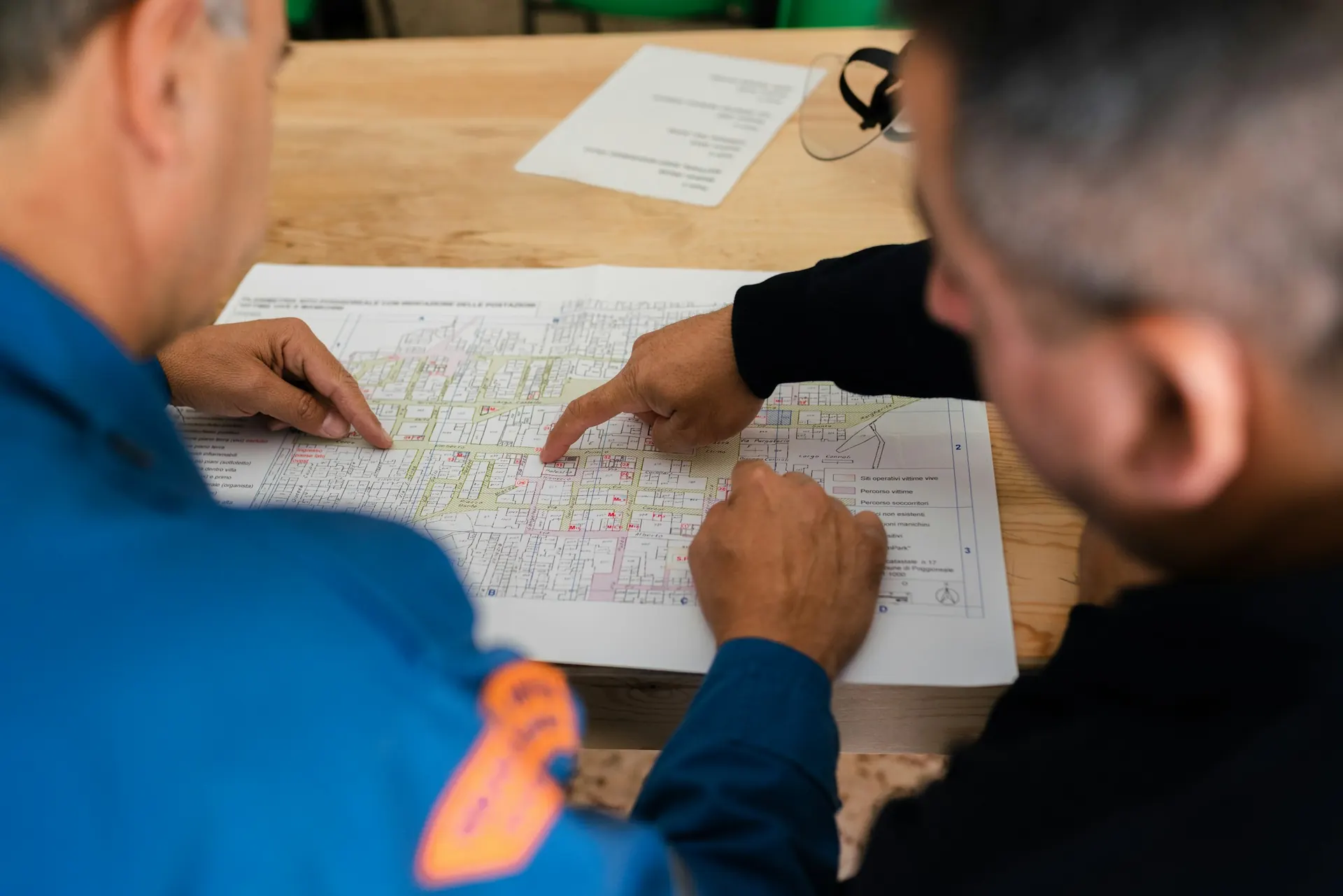
- The project manager works on the owner’s behalf. They do not do the work; they monitor whether it is going to plan, control cost and programme, and report issues that need a decision to the owner.
In other words, the contractor owns the question ‘how will it be built?’, and the project manager owns the question ‘are the owner’s interests protected?’.
Comparing responsibilities
| Topic | General contractor | Project manager |
|---|---|---|
| Works for | Itself, under the contract | The owner |
| Who does the work? | The contractor and its subcontractors | Nobody; it monitors the work |
| Cost | Completes the work for its quoted price | Sets the budget, tracks actual cost |
| Time | Must keep to the programme | Monitors the programme, reports delays early |
| Quality | Delivers the specified quality | Manages material and detail approvals and inspections |
| Changes | Requests variations and extra cost | Assesses requests, gives the owner options |
Contract structures
Project management and contracting are not alternatives; most projects have both. Which combination you choose depends on the contract structure:
- Turnkey (single contractor): all the work goes to one contractor. The owner has a single point of contact and interface risks sit with the contractor. Project management here meets the owner’s need for control and reporting.
- Split into packages: structure, finishing works, services and landscaping go to separate firms. Managing the interfaces falls to the owner, so strong project management is essential.
- Managed on the owner’s behalf: the owner contracts directly with the contractors and leaves coordination and monitoring to a project manager.
Which do you need?
Choose a turnkey contractor if:
- you want a single point of contact and to leave interface risks with the contractor,
- the scope and design are largely settled,
- you want to fix budget and time in one contract from the start.
See our turnkey construction page for details.
Work with a project manager if:
- you are not a construction specialist or have no time to follow the work,
- you will use more than one contractor,
- you live in another city or country,
- you want continuous, independent control over budget and time.
One point to watch: conflicts of interest
If the same firm is both the contractor and the owner’s project manager on one project, the party doing the checking and the party being checked are the same. The owner has then given up independent control. The healthy structure is a clear separation of roles: on a given project you are either the contractor or the owner’s representative.
DEMAFT’s approach
DEMAFT works in both roles: as a contractor on housing, villa, stadium, public building and shooting range projects, and on the owner’s behalf through our project management and consultancy service. We define clearly at the start of the contract which role we hold on a project.
As a contractor we follow the one-contractor principle: every trade from structure to turnkey runs under one contract and one coordination. As project manager we put our site experience on the owner’s side and work with item-by-item quantities, a written process and regular reports.