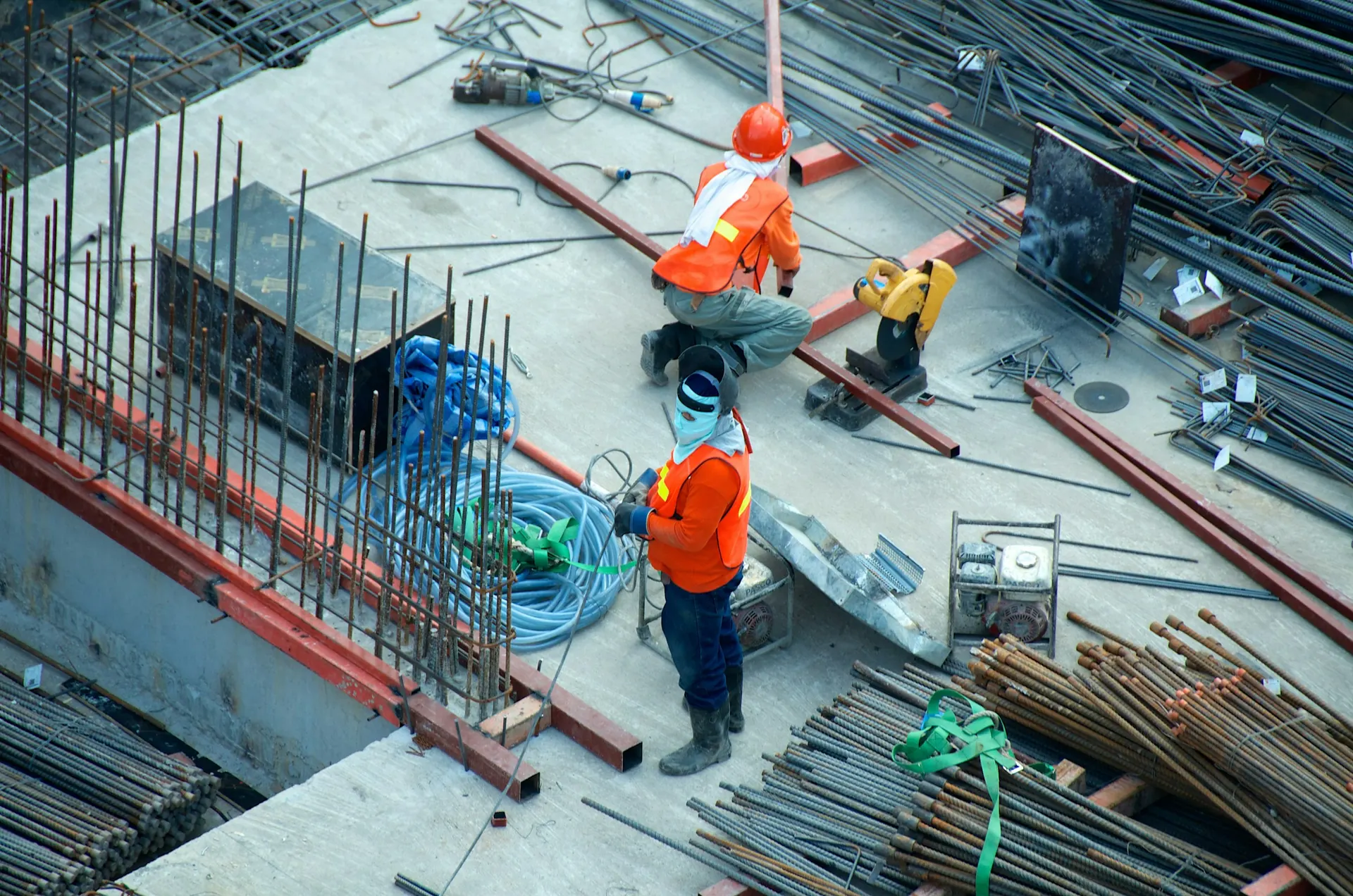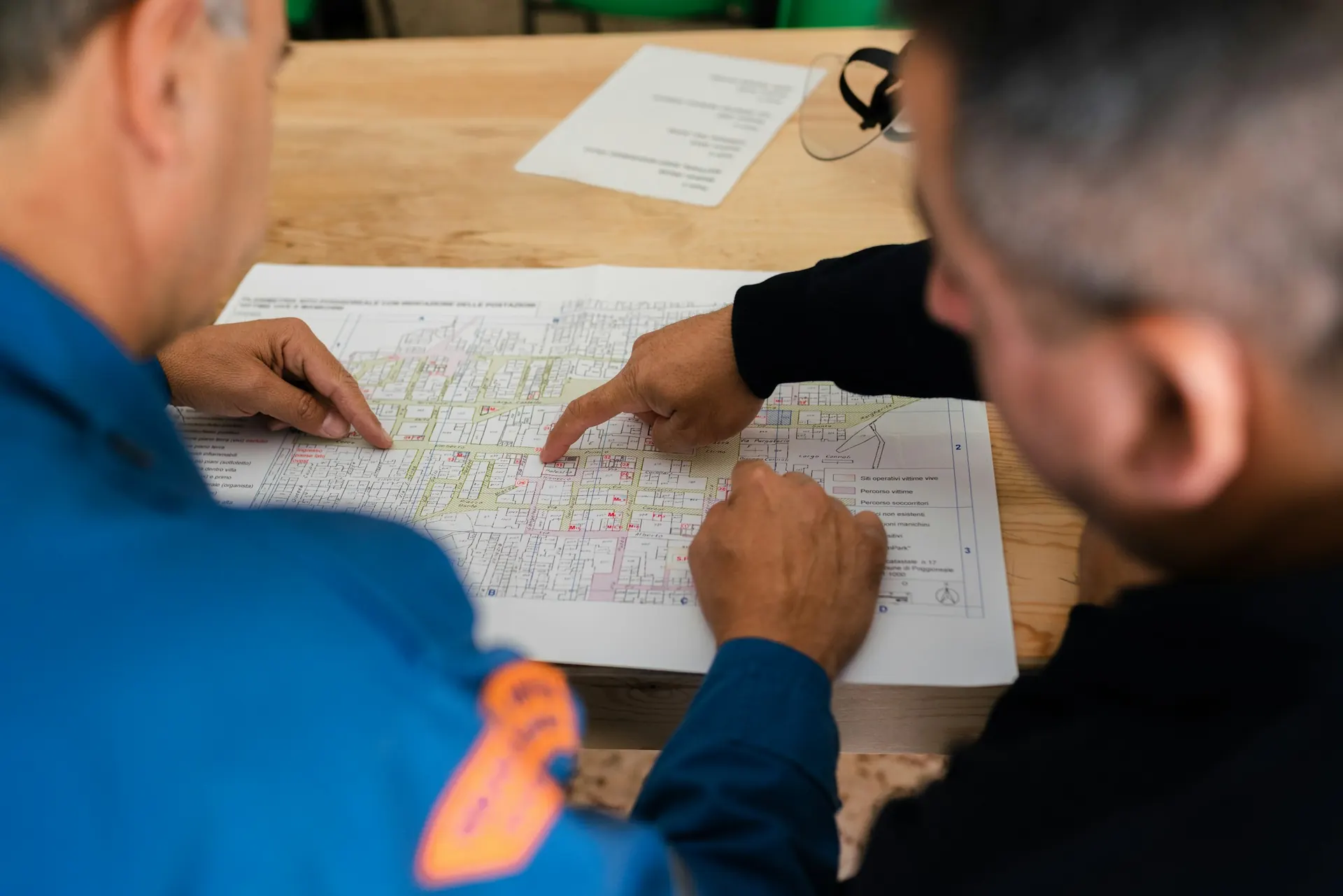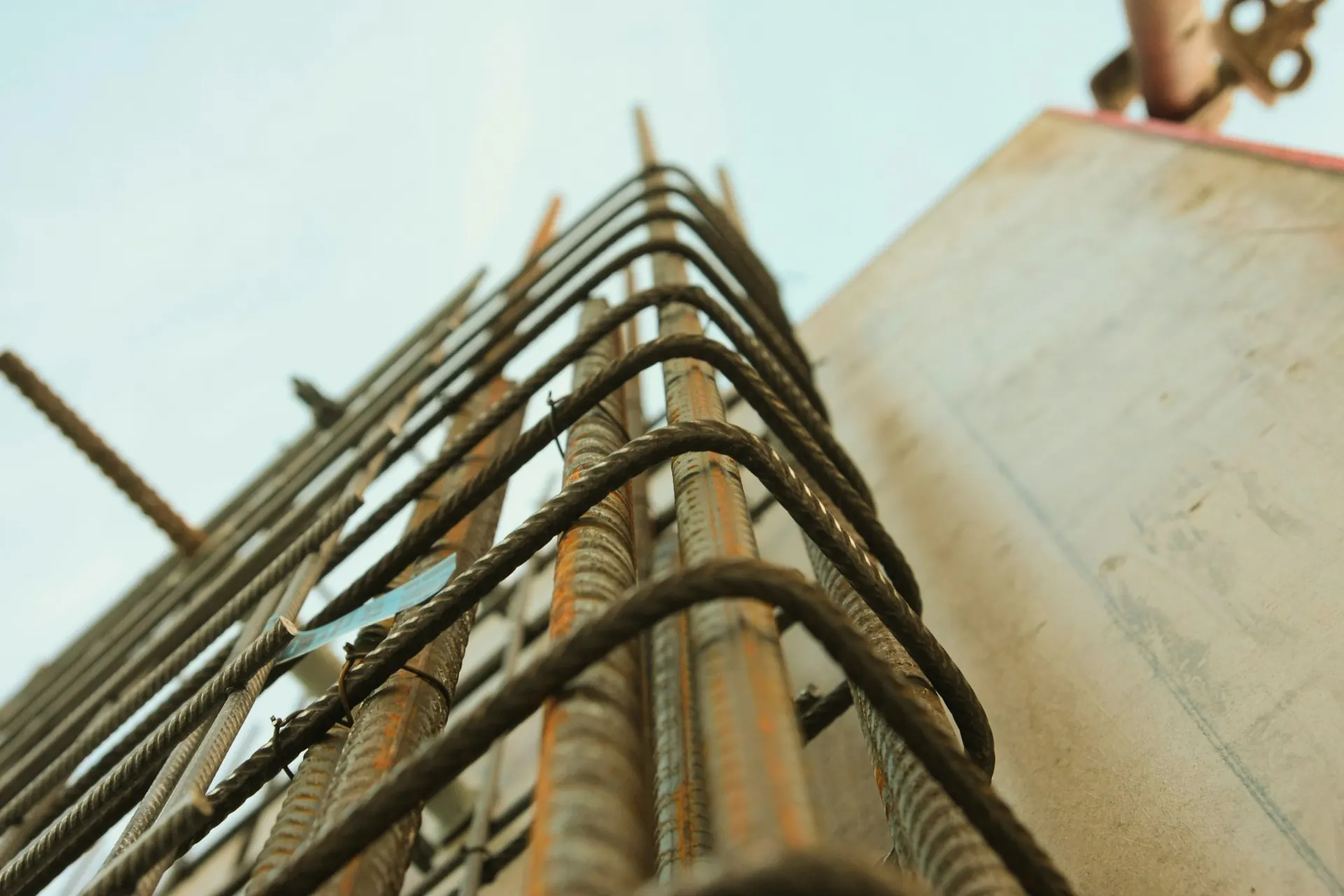
A large part of a building project’s cost is materials and equipment. Much of the waiting on site is also about materials: they arrived late, they arrived wrong, or they arrived too early and caused storage and wastage problems. Procurement management is the process that brings the right material to site in the right quantity, at the right time and of approved quality.
1. Derive needs from the quantities and the programme
The procurement plan rests on two documents: the bill of quantities shows what is needed and how much, and the programme shows when. Together they give a ‘required on site’ date for each material.
2. Identify long-lead items early
Items such as made-to-order joinery, lifts, mechanical equipment, bespoke furniture or imported products have production and shipping times measured in weeks. They should be listed at the start of the project and their order dates worked back from the programme.
3. Approve materials and details before installation
The specified product being swapped for another on site is one of the most common quality problems. Every material and detail should be submitted for approval before installation, with technical data and samples where needed, and the approved product recorded.
4. Compare bids on the same specification
Looking only at unit price is misleading when comparing supplier bids. Bids against the same specification, quantity, delivery location and date show the real difference. Freight, insurance and any customs costs should be part of the comparison.
5. Tie deliveries to the programme
Once ordered, production and shipping should be tracked and delivery dates compared with the programme. Early delivery is a problem too: storage space, damage risk and wastage increase. Ideally material arrives close to when it will be used.
6. Check on delivery
Every delivery should be checked against the order and the approved sample: product, quantity, quality and damage. Non-conforming products should be returned before they are installed.
7. Reduce wastage through planning
Accurate quantity planning, cutting plans and orderly storage on site reduce wastage. That lowers both cost and waste.
Procurement on projects abroad
On a site abroad, procurement starts by separating products available on the local market from those that must be imported. For imported products, production, shipping and customs times should be written into the programme from the start. We cover this further in how to manage international construction projects.
DEMAFT’s approach
DEMAFT’s full name is DEMAFT Dış Ticaret İnşaat Sanayi ve Ticaret Ltd. Şti.; construction and foreign trade are two lines of the same firm. On our projects, material and detail approval, stage inspections and planning that reduces wastage are part of our quality and environmental principles. We value fair, open and long-term relationships with our subcontractors and suppliers.
We describe procurement and subcontractor management on this page, and the supply of materials and equipment to other projects on our supply and international trade page.